
Approaching Lammas
Nature feels slow, yet abundant - but crying out for rain

It’s nearly August: dry and slow. From next week, I’ll be on my annual summer break from work, and my daughter is already off school for the summer holiday. Weeks stretch ahead full of slow mornings, seeing friends, camping, and pottering on the allotment or wandering in the woods. Nature seems to mirror this slow yet abundant feeling. The damsons are ripening now, and the bumper blackberry harvest continues.
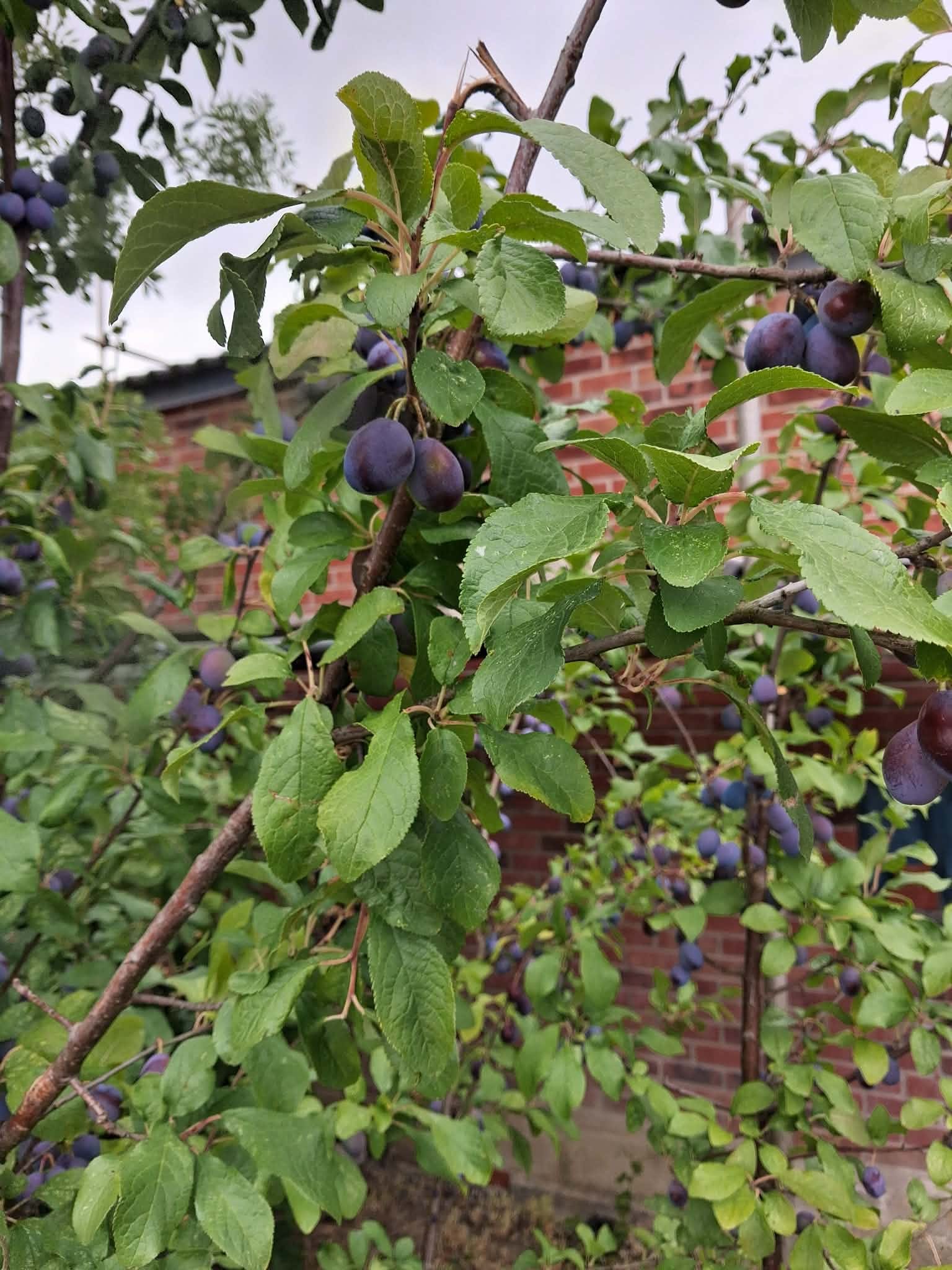
Walking to the allotment, I can see already see conkers on the horse chestnuts, and on my plot, the pumpkins and squashes are growing bigger, there are cucumbers on the way, and we’re harvesting courgettes daily. I’m eagerly awaiting some red tomatoes: with nine plants on the go in my garden, I’m watching the green ones like a hawk for any signs of ripeness, and crossing my fingers that the plants won’t be taken by blight at this late stage.
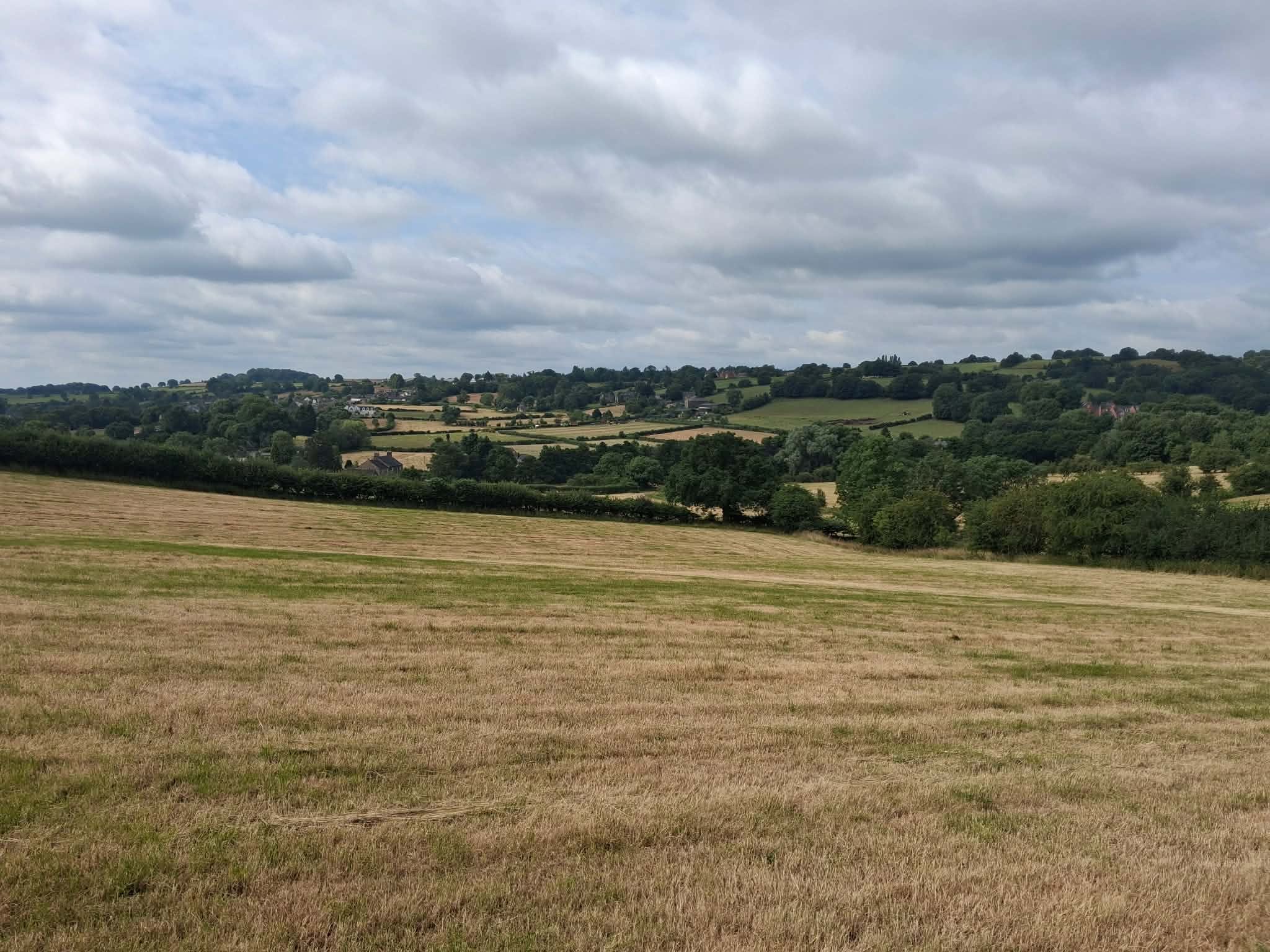
Pausing to look across the landscape on a lunchtime run, there are fields of yellow grass as far as I can see, a visual reminder of the lack of rain recently. We had a little shower on Sunday evening, but otherwise none for a month or more. Following some helpful advice from others here on Substack, I’ve intentionally reduced my watering on the allotment and in the garden from daily to every other day - I realised I had inadvertently trained my plants to need more water by watering so often, a huge waste during a drought. I hope that reducing the frequency should encourage them to become more resilient to dry conditions, and I aim to water just once a week eventually. As someone who has always watered once a day in hot or dry weather, I feel nervous and like I am abandoning my plants, but so far they seem to be coping OK. I have also spread a mulch of wood chips over the soil, to reduce water loss through evaporation.
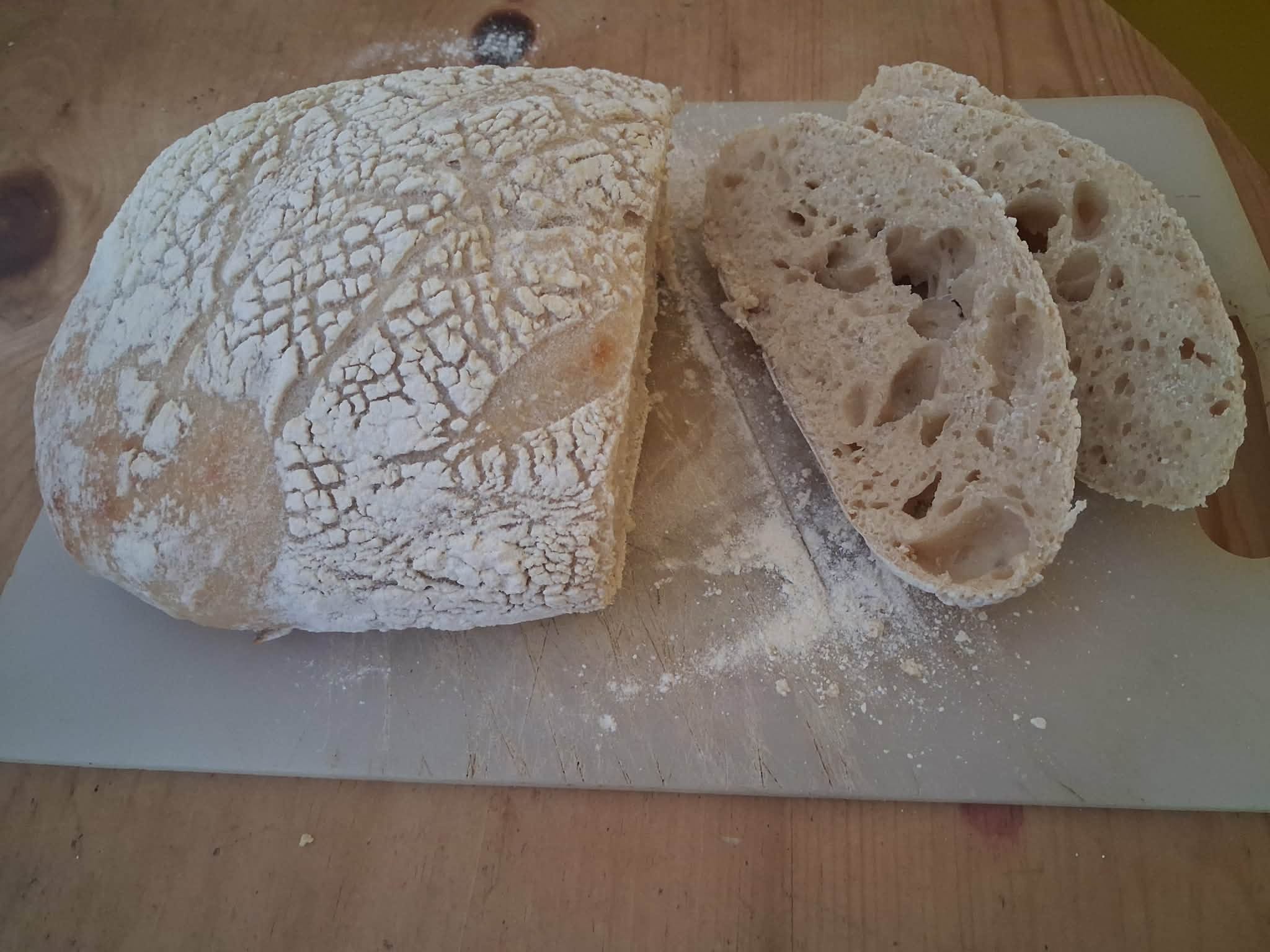
In the Pagan Wheel of the Year, the 1st of August brings Lughnasadh or Lammas. Halfway between the summer solstice and the autumn equinox, it marks the first harvest, specifically the grain harvest, and is associated with baking bread. The word Lammas comes from ‘loaf mass’ and in the Christian tradition a loaf would be made with flour from the first ripe grain, taken to church to be blessed, then shared. Apparently, at one time people may also have placed a piece of Lammas loaf at each corner of the grain store for protection.
We’ll be making a Lammas loaf ourselves again this year, not from the first grain, but perhaps from flour made by the working windmill in my village. Baking bread is something I’ve done for a long time, and has strong associations with my childhood. Before we got a bread making machine, my dad would make ‘wooden bread’ - very tough and chewy loaves made with wholemeal flour, which were not popular with me or my older sisters! As an adult, for a long time I used a bread machine, but over the last year or so I’ve been making sourdough by hand, which is delicious and so easy (and - importantly for many - does not require any kneading). Last year we made a plaited (non-sourdough) loaf for Lammas, so I’m keen to see if we can make a sourdough plait this year, which may require trial and error with cooking times!
Lughnasadh comes from the Gaelic tradition, named for the god Lugh, who it’s said created it in honour of his foster mother Tailtiu, who died after clearing the fields of Ireland for agriculture. Traditional celebrations of Lughnasadh may have included horse racing, athletic competitions, as well as climbing hills and eating the first bilberries! The god Lugh, also called Lugh of the Long Arm, has an equivalent in Welsh myth which, thanks to my Welsh heritage, I’m much more familiar with. Although their stories differ, in the Mabinogi (or Mabinogion - an ancient collection of Welsh myths), Lugh’s counterpart is Lleu-Llaw-Gyffres (Lleu of the Skillful Hand). I find it fascinating how Gaelic and Celtic gods and stories cross over like this, probably indicating that they were remnants of the same, even older gods that had diverged over time.
How will you be marking Lammas/Lughnasadh?
I'm going to a friend's BBQ on Lammas eve so I'm going to take a loaf of bread. I'm sure they all think I'm bonkers but they humour this old witch.